Skip to content
SHARE TO SOCIAL MEDIA
Power outages are becoming more common across the U.S.
In 2024, electricity customers experienced an average of 11 hours of power interruptions, nearly double the annual average over the previous decade(i).
For many homeowners, that's reason enough to consider a home battery. Others are looking for ways to get more value from their solar panels, reduce their reliance on the grid, or keep essential appliances running during an outage.
If you're exploring home battery storage, it's helpful to understand how these systems work, what affects the cost, and what installation involves. This guide answers some of the most common questions homeowners ask before deciding whether a home battery is the right fit.
TL;DR |
|---|
• A home battery stores electricity for later use, most often alongside a rooftop solar system. |
What Is a Home Battery?
A home battery is a rechargeable system that stores electricity for later use. It's most commonly paired with rooftop solar panels, allowing you to store excess solar energy generated during the day and use it when your home needs it, instead of sending it back to the grid.
Some battery systems can also charge from the electrical grid, even without solar panels, depending on your utility and local regulations.
For many homeowners, a battery does more than provide backup power during an outage. It can help you use more of the electricity your solar panels generate, reduce the amount of energy you buy from the grid, and lower electricity costs in areas with time-of-use rates.
The benefits you'll see depend on factors such as your energy usage, utility rate plan, and the size of your battery system.
How Does a Home Battery Work?
A home battery works quietly in the background, storing electricity until it's needed.
During the day, your solar panels generate electricity to power your home. If they produce more energy than you’re using, the excess electricity can be stored in your battery instead of being sent to the grid.
Later in the day, when your solar panels aren't producing as much energy or your household's electricity use increases, your home can draw power from the battery first. This can reduce the amount of electricity you purchase from your utility.
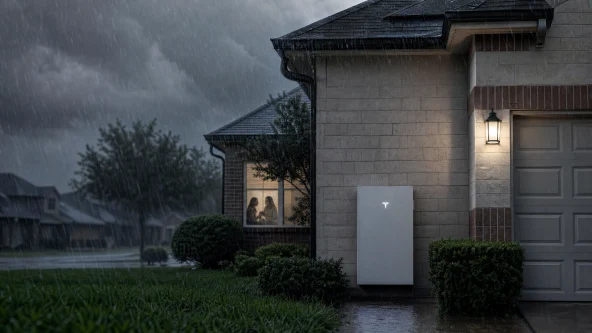
If the grid goes down, the battery automatically switches to backup power and keeps selected appliances and circuits running. Most systems make the transition so quickly that homeowners notice little to no interruption.
Unlike traditional generators, home batteries don't require gasoline or diesel, operate quietly, and don't need to be started manually during an outage.
What Happens During Installation?
Installing a home battery begins with an assessment of your home's energy needs and electrical system. During this step, your installer evaluates how much backup power you want, determines the right battery size, and checks whether your electrical panel or other equipment needs to be upgraded.
Once the system design is finalized, the project moves through permitting and utility approvals before installation can begin.
The installation itself typically takes one to two days. After the equipment is installed, inspections and utility approval are completed before the battery is turned on and connected to your home.
While timelines vary depending on where you live, most homeowners can expect the entire process, from signing an agreement to activating the system, to take several weeks.
Choosing How Your Battery Operates
Most home battery systems let you choose how stored energy is used. The available settings vary by manufacturer, but they generally fall into three common operating modes:
Time-Based Mode
This setting charges and uses the battery based on your utility’s electricity rates. The goal is to use stored energy when electricity is most expensive while keeping some backup power in reserve.
Self-Power Mode
This mode prioritizes using electricity generated by your solar panels before drawing power from the grid. It helps homeowners maximize the value of their solar energy while still maintaining backup capacity.
Backup-Only Mode
If your main priority is preparing for outages, you can reserve your battery almost entirely for emergency backup. Any extra solar energy may still be exported to the grid, depending on your utility's rules.
What Does a Home Battery Cost?
There's no one-size-fits-all price for a home battery. The total cost depends on your home's energy needs, the battery you choose, and the complexity of the installation.
Three of the biggest factors that affect price are:
Battery Capacity
Larger batteries can store more electricity and provide backup power for longer periods. They also cost more than smaller systems.
Your Home's Electrical System
Some homes require electrical panel upgrades or additional equipment before a battery can be installed. These improvements can affect the overall project cost.
Incentives and Rebates
Federal tax credits, state programs, and local utility incentives may reduce the cost of installing a home battery. The incentives available depend on where you live and can change over time.
Factor | How it affects cost |
Battery Capacity | Larger batteries store more electricity and provide longer backup but cost more |
Electrical System | Panel upgrades or added equipment can increase project cost |
Incentives & Rebates | Federal, state, and utility incentives can offset the price, and vary by location |
Are Home Batteries Safe?
Modern home batteries are designed with multiple layers of protection and are built to meet strict safety standards.
Most residential battery systems use lithium-ion technology and include a Battery Management System (BMS). This system continuously monitors temperature, charging, and overall battery performance. If it detects an issue, it can automatically shut the battery down to help protect the system.
Professional installation is just as important as the equipment itself. A qualified installer will follow local building and electrical codes, choose an appropriate installation location, and make sure the system is installed safely.
When comparing battery options, look for products that have been independently tested and certified by recognized safety organizations.
Questions to Ask Before You Buy
Before moving forward, ask your installer questions that are specific to your home rather than relying on general estimates.
For example:
How much of my home can this battery power during an outage?
How long can it provide backup power under normal usage?
Will my electrical panel need to be upgraded?
What's included in the total installation cost?
What warranties come with the battery and installation?
Which incentives or rebates are available where I live?
Can I expand the system if my energy needs change in the future?
Why Choose Sunrun
Choosing the right battery is only part of the decision. Working with an experienced installer can make just as much of a difference.
Since 2007, Sunrun has helped homeowners across the U.S. switch to clean energy with customized solar and battery solutions. Depending on your location and plan, homeowners may also have access to ongoing system monitoring, equipment protection, and maintenance support.
Sunrun offers battery options from leading manufacturers, including Tesla, and Lunar, with equipment recommendations based on your home's energy needs and local availability.
In some areas, eligible homeowners may also be able to participate in virtual power plant programs. These programs allow connected home batteries to send stored energy back to the grid during periods of high demand, helping support grid reliability while creating opportunities for homeowners to receive incentives where available.
If you're considering battery storage, a personalized consultation can help you understand which system best fits your home, energy usage, and budget.
Conclusion
If you’re thinking whether a home battery is worth it?
The answer depends on what you're hoping to achieve.
If your area experiences frequent power outages, a home battery can provide peace of mind by keeping essential appliances powered when the grid goes down.
If you already have solar panels, adding a battery can help you use more of the electricity your system generates instead of sending it back to the grid. Depending on your utility's rates and billing structure, that may also help lower your electricity costs.
Some homeowners choose a battery primarily for energy independence. Others want greater control over when and how they use electricity.
The right choice comes down to your home's energy needs, your budget, and your long-term goals.
Ready to See What a System Looks Like for Your Home? Get a Home Battery Quote.
Statistics Reference:
(i) U.S. Energy Information Administration
Frequently Asked Questions
Can a home battery power my entire house during an outage?
It depends on the size of the battery and how much electricity your home uses. Many homeowners choose to back up essential appliances such as refrigerators, lights, internet equipment, and selected outlets. Larger battery systems may be able to power more of your home.
Can I install a home battery without solar panels?
Yes. Some home batteries can be installed without solar and charge from the electrical grid. However, pairing a battery with solar allows you to store the renewable energy your system generates and may increase the overall value of the system.
Will a home battery lower my electricity bill?
It can. Savings depend on your utility's rate structure, whether you have solar panels, and how your battery is used. In areas with time-of-use electricity rates, using stored energy during expensive periods may help reduce your bill.
How long does a home battery last?
Most home batteries are designed to last for many years, although lifespan varies by manufacturer, usage, and environmental conditions. Your installer can explain the expected performance and warranty for the battery you choose.
How long does installation take?
The installation itself is often completed within one to two days. However, the full process, including site assessment, permitting, inspections, and utility approval, typically takes several weeks.
What size home battery do I need?
The right battery size depends on what you want to power, how much electricity your household uses, and whether you're installing solar at the same time. A professional assessment is the best way to determine the right fit for your home.