Skip to content
SHARE TO SOCIAL MEDIA
A solar power purchase agreement (PPA) is a financing arrangement in which a homeowner agrees to purchase the electricity generated by a solar energy system installed on their property, without owning the system itself.
Under a PPA:
A solar provider installs, owns, and maintains the system.
The homeowner pays only for the electricity the system produces, typically at a fixed rate per kilowatt-hour (kWh).
The rate is often lower than the local utility’s retail electricity rate.
PPAs remain one of the most common ways homeowners go solar without upfront costs.
How a solar PPA works
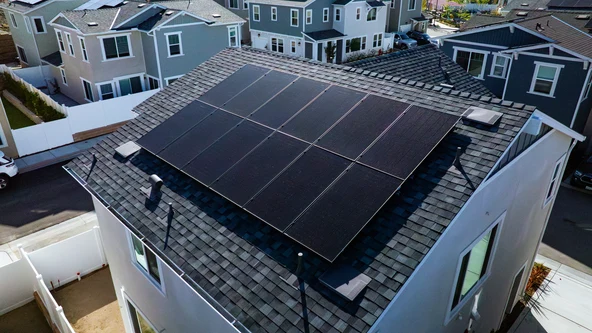
A solar company installs panels on your home at little to no upfront cost.
The company owns and maintains the system.
You agree to purchase the electricity the system generates at a contracted rate.
Your utility bill is reduced because you’re using solar energy first.
Most residential PPAs last 10–25 years, and some include an annual rate escalator.
What Changed for Solar PPAs in 2026?
The biggest shift affecting solar financing in 2026 is federal tax policy.
Residential solar tax credit expired for customer-owned systems
The Residential Clean Energy Credit (Section 25D) expired on December 31, 2025 for homeowners who purchase their systems directly1.
Because the solar provider owns the system, they may claim the credit and structure pricing accordingly. In many cases, this helps keep PPA electricity rates competitive.
This tax shift has increased interest in third-party ownership models in 2026.
PPAs may appeal to homeowners who:
Prefer predictable electricity pricing
Do not want system maintenance responsibility
Do not qualify for tax credits
Want to avoid large upfront costs
Are solar PPAs still worth it in 2026?
That depends on several factors, but in many cases, now is the best time to consider a solar PPA:
Your local electricity rates
Utility rate trends
Contract structure and pricing terms
Whether you prefer ownership or a subscription-style model
Electricity rates have increased over the past decade in many regions.
As grid rates rise, many homeowners look for ways to stabilize their energy costs. Subscription-style solar agreements like the Sunrun Subscription Plan, allow households to access solar energy without large upfront costs while benefiting from predictable monthly payments.
Today, some providers like Sunrun offer subscription plans that bundle system installation, monitoring, maintenance, and performance guarantees into one streamlined agreement. These plans are designed to simplify the traditional PPA experience while maintaining the same core structure: paying for the energy produced rather than owning the equipment.
What to watch for in a solar subscription or PPA agreement
Before signing any long-term solar agreement, homeowners should understand:
Contract length
Pricing structure or escalator terms
Transferability if selling the home (Sunrun Guarantees transferability through an easy process)
End-of-term options
Clear terms and transparent pricing are essential to ensuring long-term value and flexibility.
Final takeaway
In 2026, solar subscription agreements, including power purchase models, continue to offer a way to access renewable energy without large upfront investment.
As federal homeowner tax incentives have shifted, third-party ownership models remain a practical option for households that prefer predictable payments and provider-managed maintenance.
For many households, subscription-style solar provides:
Predictable energy pricing
Ongoing system monitoring and maintenance
No major upfront installation cost
Reviewing contract details and comparing available solar options can help determine the right approach for your home and energy goals.
GO SOLAR
Take control of your energy bills
Reliable power, predictable energy bills
FAQs: PPAs
A solar PPA is a type of solar subscription agreement where a provider installs and maintains a system on your home, and you pay for the electricity it produces instead of purchasing the panels outright.
Many modern solar subscription plans are structured similarly to PPAs. The provider owns and maintains the system, and the homeowner pays for the energy it generates. Some subscription plans (like the Sunrun Subscription Plan) also bundle performance guarantees, system monitoring, and maintenance into one simplified monthly arrangement.
It depends. Purchasing a system may offer higher long-term savings for some homeowners, but subscription-style agreements eliminate upfront costs and shift maintenance responsibility to the provider. For many households, simplicity and predictable pricing are key considerations.